
Hypnosis for Addiction in New York
Reduce Cravings. Regain Control. Build Lasting Recovery.
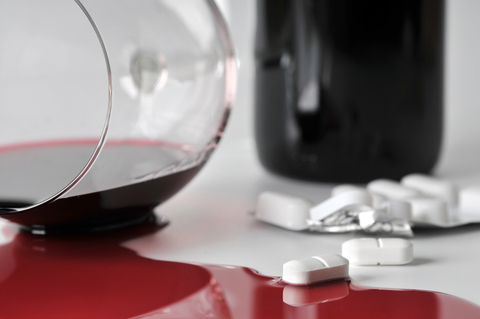
If you’re struggling with alcohol, drugs, or compulsive behaviors, hypnosis can help you take back control—without relying on willpower.
When combined with proven addiction treatment, hypnotherapy has been shown to:
Increase abstinence rates by 30%+ at 6 months
Reduce cravings by around 25%
Lower relapse risk by over 20% with daily self-hypnosis
Decrease stress hormones (like cortisol) by up to 30%
Work for most people—over 80% experience hypnotic trance on the first session
Ready to take the first step? Book your confidential consultation today.
Trusted Experience That Makes the Difference
With over 20 years of clinical hypnosis experience,
Eli Bliliuos is:
- Board Certified Clinical Hypnotist (IACHT)
- Certified by the National Guild of Hypnotists (NGH)
- Certified by the International Association of Counselors and Therapists (IACT)
This level of training ensures your sessions are structured and results-driven.
What Is Hypnosis for Addiction?
Hypnosis is a natural, focused state of attention where your mind is open to suggestions for positive change.
During a session, you stay aware and in control while your hypnotherapist helps you:
- Change automatic habits and triggers
- Reduce cravings at the subconscious level
- Build healthier coping responses
- Mentally rehearse staying sober in real-life situations
Schedule a session and experience it for yourself
How Hypnosis Helps With Addiction
Reduces Cravings
Hypnosis helps lower the intensity of cravings by working with the subconscious mind—where urges begin. Many clients notice cravings feel weaker, less frequent, and easier to manage.
Changes Automatic Habits
Addiction often runs on autopilot. Hypnosis interrupts automatic patterns and replaces them with healthier responses, giving you more control over how you respond.
Lowers Stress & Anxiety
Stress is a major relapse trigger. Hypnosis activates the body’s relaxation response, helping reduce anxiety and making it easier to stay calm in challenging situations.
Strengthens Self-Control
Hypnotherapy supports the brain’s decision-making and impulse control systems, helping you pause, think clearly, and choose differently when urges arise.
Reinforces Motivation
Targeted hypnotic suggestions strengthen your internal drive to recover, helping you stay focused, committed, and aligned with your goals.
How Hypnosis Actually Changes Addictive Patterns
Hypnosis works by shifting the brain into a focused, highly receptive state where deeper patterns of thought and behavior become more accessible and easier to change.
Subconscious Processing
Most addictive behaviors are not “decisions” in the moment—they are automatic responses stored in the subconscious mind. In hypnosis, attention moves inward, allowing these underlying patterns to become more flexible. This is where long-standing associations between triggers and substance use can be updated at the root level.
Neural Pathways
Addiction is supported by repeated neural pathways—mental “shortcuts” that connect triggers, emotions, and behaviors. Through hypnotic focus and repetition, these pathways can be interrupted and weakened while healthier patterns are reinforced, helping the brain form new, more adaptive responses over time.
Trance State
The hypnotic trance is a natural state of focused attention and reduced external distraction. In this state, the critical, analytical mind is bypassed, making it easier to work directly with the subconscious mind. You remain aware and in control, but more internally focused and responsive to change.
Suggestion Absorption
In this receptive state, the mind becomes more open to carefully structured therapeutic suggestions. These suggestions are not “control,” but guided instructions that help the brain rehearse new responses—such as calmer reactions to stress, reduced craving responses, and healthier behavioral choices—so they feel more automatic over time.
Take back control today—book your session
Hypnosis for Alcohol, Drug & Gambling Addiction: Real Testimonials and Video Case Study

Disclaimer: Results may vary from person to person.
Hypnosis for Alcohol, Drugs & More
Alcohol Addiction
One of the most responsive areas for hypnotherapy.
- Respond appropriately to emotional triggers
- Helps reduce cravings
- Builds a strong “non-drinker” mindset
Opioid Addiction
Used alongside medical treatment (MAT), hypnosis helps:
- Reduce cravings after detox
- Manage discomfort
- Improve emotional control
Stimulants (Cocaine, Adderall, etc.)
- Improves impulse control
- Reduces anxiety and crashes
- Helps regulate energy naturally
Cannabis Addiction
- Breaks daily habit patterns
- Reduces anxiety without substances
- Improves sleep and motivation
Gambling Addiction
One of the most behaviorally responsive addictions for hypnotherapy.
- Reduces impulsive betting
- Rewires emotional triggers like stress, boredom, and thrill-seeking
- Reduces emotional highs and lows that reinforce the cycle
Have questions? Talk to a hypnotist now
What to Expect From Hypnosis for Addictions in NYC
| Step | What Happens |
|---|---|
| Step 1: Assessment (1 Session) |
Identify triggers and patterns Set clear recovery goals Learn how hypnosis works Experience hypnotic trance |
| Step 2: Active Treatment (5–8 Sessions) |
Reduce cravings Reprogram subconscious habits Learn self-hypnosis techniques |
| Step 3: Maintenance |
Strengthen results Prevent relapse Build long-term independence |
Book your personalized plan today
Self-Hypnosis: A Tool You Can Use Anytime
You’ll learn how to use hypnosis on your own to:
- Stop cravings in the moment
- Stay calm even when triggered
- Reinforce your progress daily
Practicing just 2–3 times per day can reduce relapse risk by over 20%.
Who Is This Best For?
Hypnosis works best if you:
- Want to change
- Are open to trying a proven approach
- Are willing to practice techniques between sessions
- Are using (or open to) other forms of support
Long-Term Results That Last
Unlike many treatments, hypnosis gives you a skill you can use for life.
With continued practice, you can:
- Handle stress without relapse
- Stay in control during difficult moments
- Maintain progress without ongoing therapy
Frequently Asked Questions About Hypnosis for Addiction
Does hypnosis really work for addiction?
Yes. Research shows that when hypnosis is combined with standard addiction treatment, people often see higher abstinence rates, reduced cravings, and lower relapse risk compared to treatment alone.
Will I lose control during hypnosis?
No. You remain fully aware and in control the entire time. Hypnosis is a focused, relaxed state—not unconsciousness or sleep.
How many sessions will I need?
Most clients benefit from 6–8 sessions, with some seeing results sooner. A personalized plan is created based on your situation.
Can hypnosis stop cravings immediately?
Many clients experience noticeable craving reduction early in treatment, with continued improvement over time—especially when combined with self-hypnosis practice.
Is hypnosis safe?
Yes. Clinical hypnotherapy is a safe, non-invasive technique when performed by a trained professional.
Do I need to be “easy to hypnotize” for this to work?
No. About 80%+ of people experience hypnotic trance easily, and most others can still benefit with guidance and practice.
Can hypnosis replace rehab or medical treatment?
Hypnosis works best alongside medical care, therapy, or support programs.
Do you offer hypnosis for alcohol and drug addiction?
Yes. Sessions are tailored for:
- Alcohol addiction
- Opioids
- Stimulants
- Cannabis
- Behavioral addictions (gambling, etc.)
What Makes This Approach Different?
✔ Evidence-informed techniques
✔ Personalized treatment plans
✔ Focus on real-world results—not theory
✔ Integration with other recovery methods
✔ Self-hypnosis training for long-term success
The Science Behind Hypnosis for Addiction
Research shows that hypnotherapy can support meaningful change in addictive behaviors—especially when used consistently and alongside structured treatment approaches.
Intensive Hypnosis and Long-Term Recovery
A clinical approach using daily hypnosis sessions over a focused period has shown strong outcomes in addiction treatment.
In one study, participants who completed an intensive hypnosis-based program achieved a 77% success rate at one-year follow-up, suggesting that repeated subconscious reinforcement may improve long-term recovery.
Cannabis Use Reduction
Research on hypnosis-based interventions demonstrated a significant reduction in cannabis use.
At 6 months post-treatment, participants receiving hypnosis showed an 82% lower risk of daily cannabis use, even after adjusting for baseline behavior. This highlights hypnosis as a tool for disrupting habitual substance use patterns.
Drug Use Cessation and Stability
In a clinical study of individuals using street drugs:
- 100% of participants stopped drug use during treatment
- At 2-year follow-up, 78% remained drug-free
These findings suggest hypnosis may support both immediate behavior change and long-term recovery stability.